
Programme
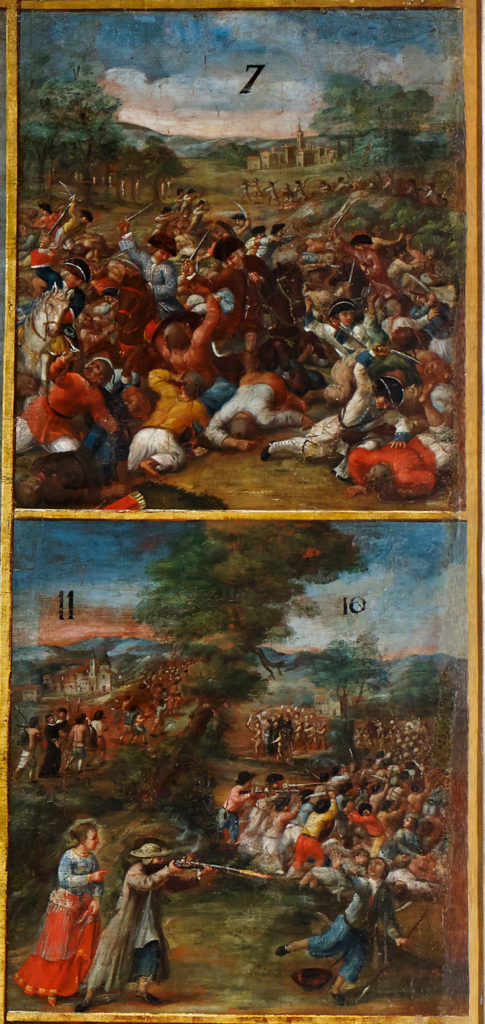
The historiographies of the British occupation of Manila and Cavite often inhabit two types of imaginaries.
One is tethered to the narrow, inter-imperial wranglings between Great Britain and Spain, with their competing explorations of might or blame, haggling over unpaid ransoms and valuations over winning and losing. In the case of the Filipinos, this singular event is linked to a vague yet powerful sense of plunder and loss. Philippine websites, textbooks, historical markers of many of the churches in Luzon, persistently, and almost exclusively present the British occupation only as a culprit for the loss of beautiful architectural structures, precious religious art, rare artefacts, and objects of knowledge like maps, and manuscripts.
This year’s iteration of the SOAS Annual Philippine Studies Conference hopes to move beyond narrow or mythologizing narratives of this singular event. With an emphasis on the analysis and critical use of primary source materials, the conference will explore productive ways of historicizing the occupation by centering on issues of Philippine agency and resistance, non-European trans-imperial conditions and contexts, and on-the-ground repercussions, specially in relation to Philippine material culture, socio-economies, and local and pan-Asian histories. Through roundtable discussions, we also hope to shift towards more reparative approaches to dealing with the indisputable loss of lives and material culture that resulted from the British occupation.
With these shifts in methodology and focus, the conference hopes to contribute to a body of discourse that transcends the prevailing socio-historical and mythic narratives of power and loss.